
Step Inside
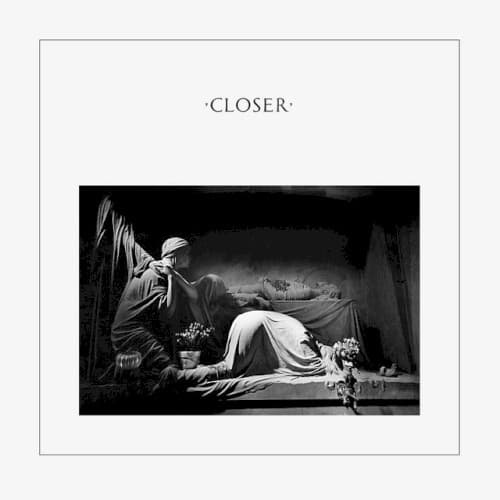
There's a wicked aura that we (the music community) place onto artists that die young in their careers. We sometimes hold their words to a higher status than artists still living. Almost as if their early death prove some kind of wisdom. Or maybe its because the poetry of the deceased acts as a channel between us and the worlds beyond. The artist I most associate with this is Mac Miller, a man that sang about mental health, addiction, mortality and acceptance, before tragically passing away from a fentanyl overdose. His music predicted the outcome. His lyrics informing his final moments. There are sadly dozens of examples of this. Kurt Cobain, Amy Winehouse, etc, where the music content practically foretells the end. The same can sadly be said for Ian Curtis. Closer, much likes its predecessor, drowns itself in alienation, mental torment and mortality. Its seemingly no surprise that his life ended the way that it did. Obviously it is tragic. But its worth pointing in an honest way what his death did to this album. An already quite uncomfortable experience turns in a powerful and horrifying journey through the mind of someone who was almost at their end. These are honest words and sounds. We know this. I've never been a believer in separating the art from the artist. The artist informs the art. And as much as I hate to say it, the death of Ian Curtis does elevate this album to a legendary status. Knowing the story enhances the effectiveness and creates one of those rare works of art that is truly moving in its totality even if you may only listen to it one time. The opening track, Atrocity Exhibition is like a Rolling Stones perspective shift, but takes away the fun perspective of Lucifer or another one of Jagger's enticing characters. Its all bleak. A total negative viewpoint of the world and a condemnation of the pain that overshadows all in the eyes of the band. The song acts as a indulging entrance into the world of Joy Division and is pretty much a perfect intro track. Closer moves more into the new wave genre than Unknown Pleasures did, as Curtis confronts that anxieties of being a performer. "Is this the gift that I wanted to give?". That questioning is at the heart of Closer. Every track is interrogating the legitimacy of something in the protagonist's direction. And its that questioning that creates the downwards spirals into mental chaos that the album presents. The fear of performing comes across as more of a responsibility to not spread these ideas. Like Ian had found some sort of truth that he couldn't handle. A truth of questioning. An endless decent. No track is this more apparent than on my favorite, Twenty Four Hours. A loss of light and an obsessive re-examination of what once was.